
In this guide
- Signs Your Water Tank Needs Cleaning
- Which Tanks Can You Clean Yourself?
- What You’ll Need to Clean a Water Tank at Home
- How to Clean an Overhead Water Tank at Home: 8 Steps
- Plastic vs Concrete Tanks: What’s Different?
- How to Clean a Boring Water Tank at Home
- How Often Should a Water Tank Be Cleaned?
- Does Cleaning the Tank Make the Water Safe to Drink?
- Common Mistakes When Cleaning a Water Tank
- When to Call a Professional
- FAQs
- Need Your Tank Cleaned?
Most of us never look inside our water tank, yet every drop we use for cooking, bathing and washing passes through it. Over months, sand and silt from tanker and boring water settle at the bottom, algae grows on the walls, and a slimy layer called biofilm builds up. This guide explains how to clean a water tank at home safely, which tanks you can clean yourself, how often to do it, and when it’s safer to call professionals, especially for underground tanks.
Signs Your Water Tank Needs Cleaning
Before working out how to clean a water tank at home, check whether yours needs it. Common signs include:
- Water looks cloudy, yellowish or brown when you first open the tap
- A musty, earthy or unpleasant smell from the water
- Sand or grit collecting in buckets, filters or the washing machine
- Green or black growth inside the tank or around the lid
- Insects, leaves or debris getting in through a loose lid
- More than six months since the last cleaning
Which Tanks Can You Clean Yourself?
| Tank type | DIY? | Why |
|---|---|---|
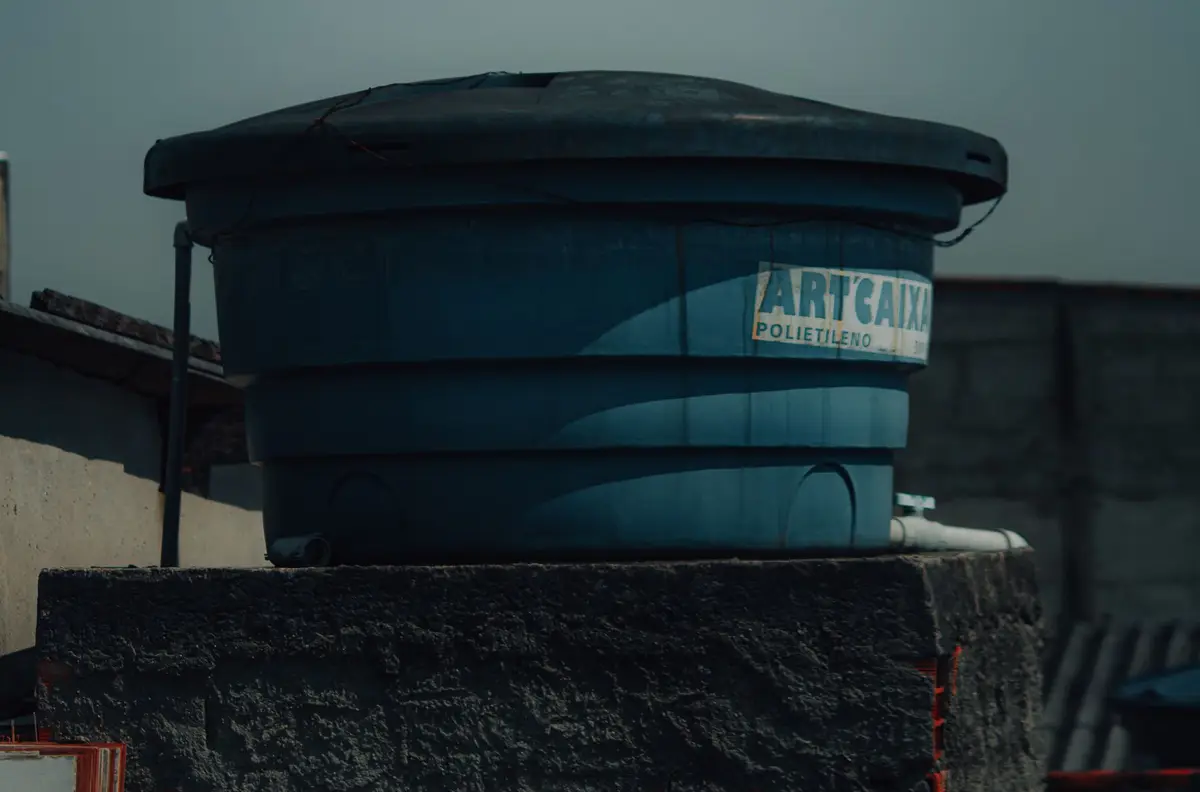
| Overhead plastic/PVC tank | Yes, with care | Easy to reach, smooth walls, can be drained fully |
| Fibreglass overhead tank | Yes, gently | Avoid hard scrubbing that scratches the surface |
| Underground concrete tank | Not recommended | Confined space: poor air, slippery surfaces, risk of fainting or falling |
| Large or multiple tanks | Better left to professionals | Needs pumps and pressure-washing equipment |
Important: never climb into an underground tank alone or without proper ventilation and safety equipment. Every year, people are injured in confined spaces like these. If your underground tank needs cleaning, it’s safer to hire a trained team.
What You’ll Need to Clean a Water Tank at Home
- Rubber gloves, a mask and non-slip footwear
- A long-handled soft brush or a sponge mop (never a wire brush on plastic)
- Buckets, a mug or a small submersible pump
- Mild detergent (unscented)
- Household bleach or a water-tank disinfectant (follow the label for quantities)
- Clean cloths and plenty of clean water for rinsing
- A ladder that’s stable on your roof
How to Clean an Overhead Water Tank at Home: 8 Steps
Step 1: Store water and switch off
Fill a few buckets for the next few hours. Then turn off the water pump and close the inlet supply to the tank.
Step 2: Drain the tank
Open the taps in the house or the tank’s drain valve to empty it. Leave a few inches at the bottom to help loosen the sludge.
Step 3: Remove the sludge
Scoop the remaining dirty water and sediment out with a mug and bucket, or a small pump. This is the dirtiest part: the sand and silt from tanker or boring water collect here.
Step 4: Scrub the walls and floor
Mix mild detergent with water and scrub the walls, corners, floor and underside of the lid with a soft brush. Pay attention to green or black patches where algae grow.
Step 5: Rinse thoroughly
Rinse with clean water and drain it out. Repeat until no foam or dirt remains.
Step 6: Disinfect
Use household bleach or a tank disinfectant exactly as directed on the product label. Wipe or spray it over all inside surfaces and leave it for the recommended contact time. Never mix bleach with other cleaners.
Step 7: Rinse again and flush
Rinse the tank well to remove the disinfectant, then refill it and run all taps until there’s no chlorine smell. This flushes the pipes too.
Step 8: Check the lid and openings
Make sure the lid fits tightly and the overflow and vent have mesh covers, so insects, birds and debris can’t get in.
Plastic vs Concrete Tanks: What’s Different?
Plastic and PVC tanks have smooth walls, so dirt comes off with a soft brush and mild detergent. Avoid metal scrapers and harsh scouring, which leave scratches where algae grow faster. Keep them shaded or painted if possible, because sunlight through thin plastic encourages algae.
Concrete tanks, usually underground, have rough walls that hold more sediment and biofilm, and cracks can let in groundwater. They need stronger scrubbing and pressure washing, and should be checked for leaks while empty. Because of the confined-space risk, concrete underground tanks are best handled by a trained team.
How to Clean a Boring Water Tank at Home
Boring (bore) water usually carries more fine sand and minerals, so tanks fed by a boring fill with sediment faster. The cleaning steps are the same, but:
- Remove sludge more often, every 3–4 months if you can see sand building up
- Fit a sediment filter on the inlet to reduce how much reaches the tank
- Wipe off white mineral scale gently; don’t scrape plastic tanks with metal tools
How Often Should a Water Tank Be Cleaned?
As a general guide, clean water tanks every six months, and more often if:
- You rely on water tankers or boring water
- The monsoon brings muddy or discoloured supply
- There is construction nearby
- The lid was left open or damaged
- You’ve just moved into a new or rented house; see our move-in and move-out cleaning
Add it to your seasonal routine; our home cleaning checklist puts tank cleaning in summer.
Does Cleaning the Tank Make the Water Safe to Drink?
Knowing how to clean a water tank at home helps keep stored water cleaner, because it removes sludge, algae and biofilm where germs can grow. But it doesn’t treat the water supply itself. Water from tankers, boring or mains supply can still carry bacteria or parasites such as protozoa. For drinking water:
- Use a good water filter, or boil water before drinking
- Keep the tank covered and cleaned regularly
- If you’re worried about quality, have your tap water lab-tested
Common Mistakes When Cleaning a Water Tank
When people first try to clean a water tank at home, these are the mistakes that cause the most problems:
- Entering an underground tank without ventilation or a second person, which is the most dangerous mistake
- Using too much bleach, or not rinsing it out properly
- Mixing chemicals, such as bleach with acids or ammonia
- Using wire brushes on plastic tanks, which leaves scratches where algae grow faster
- Forgetting the lid and pipes: a clean tank with an open lid gets dirty again quickly
- Refilling before rinsing properly
When to Call a Professional
Knowing how to clean a water tank at home is useful for small overhead tanks, but call a professional when:
- The tank is underground, or very large
- There’s thick sludge or heavy algae that won’t scrub off
- You have several tanks or limited roof access
- You’d rather not handle chemicals or work at height
Professionals bring pumps, pressure washers and safety equipment, and can clean overhead and underground tanks in one visit. In Islamabad, our water tank cleaning in Islamabad service handles both, often with same-day availability.
Tanki ki safai khud karna mushkil lage? Humein WhatsApp karein.
FAQs
How do I clean a water tank at home?
Store water, switch off the pump, drain the tank, remove the sludge, scrub with mild detergent, rinse, disinfect as directed on the product label, rinse again, refill, and flush the taps. Only do this yourself for overhead tanks.
How often should a water tank be cleaned?
Every six months as a general rule, and more often with tanker or boring water, after the monsoon, or after nearby construction.
Can I use bleach to clean my water tank?
Yes, household bleach can be used to disinfect, but follow the label for quantities, never mix it with other chemicals, and rinse thoroughly before using the water.
Is it safe to clean an underground tank myself?
It isn’t recommended. Underground tanks are confined spaces with poor air and slippery surfaces. Hire a trained team with safety equipment.
Need Your Tank Cleaned?
Now you know how to clean a water tank at home safely. For underground tanks, large tanks or a quick professional job, send your tank details on WhatsApp for a quote.


