
In this guide
- What Is Seelan?
- Why Mold in the Bathroom Gets Worse During the Monsoon
- What Causes Mold and Seelan?
- Safety First
- How to Clean Mold in a Bathroom During the Monsoon
- How to Clean Seelan on Walls
- How to Get Rid of the Seelan Smell in a Room
- Musty Smell After the Monsoon: A Post-Monsoon Checklist
- Mold on Clothes, Leather and Inside Wardrobes
- How to Prevent Mold and Seelan
- When to Call Professionals
- FAQs
- Post-Monsoon Clean-Up
Every year, Islamabad’s monsoon brings welcome relief from the heat, along with black spots in bathroom corners, peeling paint, and a musty smell in rooms that stayed closed. In Pakistan we call damp walls seelan, and where there’s seelan, mold usually follows. This guide explains what causes mold and seelan, how to clean them safely, how to get rid of the smell, and, most importantly, how to stop the damp from coming back.
What Is Seelan?
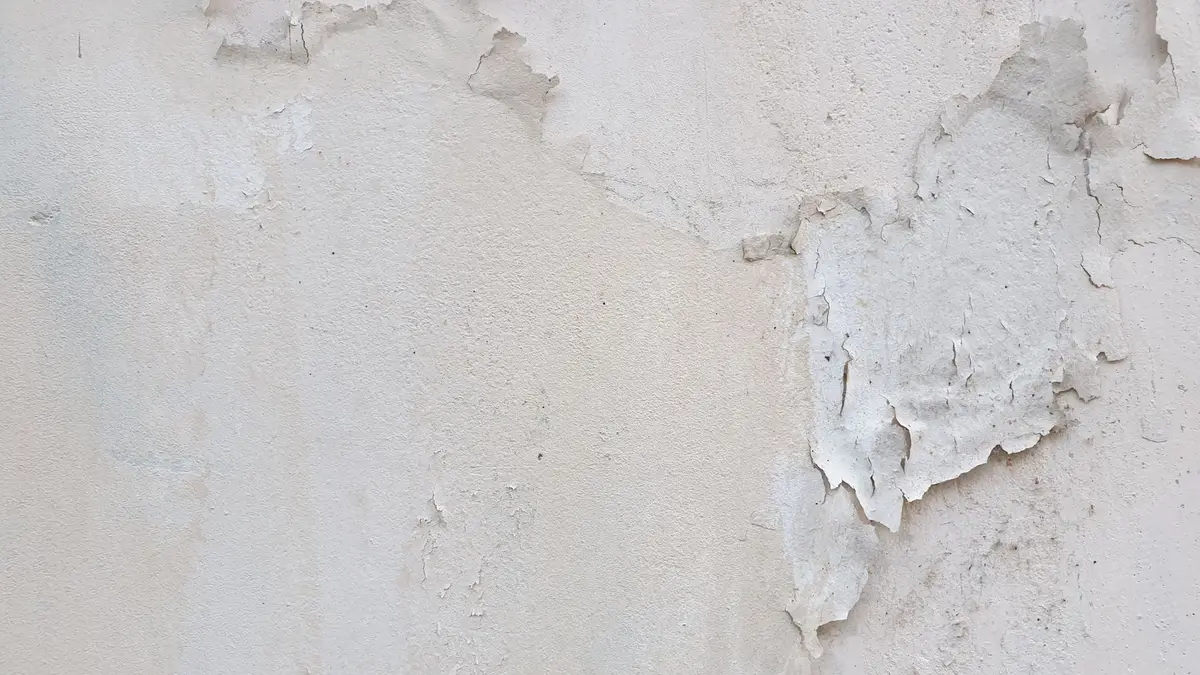
Seelan is moisture inside walls, floors or ceilings. It shows up as:
- Dark, damp patches on walls, often near the floor or below bathrooms
- Bubbling, flaking or peeling paint
- White, salty powder on walls (efflorescence)
- A damp, musty smell, especially in closed rooms
- Black or green mold spots in corners and behind furniture
Why Mold in the Bathroom Gets Worse During the Monsoon
Bathrooms are the first place mold appears every monsoon, and there are clear reasons:
- Humidity stays high day and night, so wet surfaces don’t dry between showers
- Small or blocked exhaust fans can’t remove steam fast enough
- Grout and silicone are porous and hold moisture
- Closed doors and windows during rain trap the damp air inside
- Hidden leaks behind tiles become more obvious when everything is already damp
Mold in the bathroom during the monsoon usually starts on the ceiling corners, along grout lines and around the shower. Catching it early, when it’s just a few small spots, makes it much easier to clean.
What Causes Mold and Seelan?
| Cause | Typical signs |
|---|---|
| Monsoon humidity and poor ventilation | Mold on bathroom ceilings, corners and behind wardrobes |
| Leaking pipes or bathroom fittings | Damp patches on walls next to or below bathrooms |
| Roof seepage | Damp patches and stains on top-floor ceilings after rain |
| Rising damp from the ground | Damp bands along the lower part of ground-floor walls |
| Condensation | Water droplets on windows and cold walls, mold around window frames |
Key point: cleaning removes mold from the surface, but if the cause isn’t fixed, mold and seelan will come back.
Safety First
- Open windows and switch on exhaust fans while you work
- Wear rubber gloves and a mask; disturbing mold releases spores
- Never mix bleach with vinegar, ammonia or acid cleaners, as the combination produces toxic gas
- If anyone at home has asthma, allergies or breathing problems, they should stay away from the area and not do the cleaning
- For large areas (roughly more than a small door’s worth) or mold that keeps returning, get professional help
How to Clean Mold in a Bathroom During the Monsoon
Step 1: Ventilate
Open the window and door and run the exhaust fan.
Step 2: Choose your cleaner
- Tiles, grout and sealed surfaces: a mix of water and mild detergent, or diluted white vinegar on ceramic tiles (never on marble)
- Stubborn black spots on tiles or grout: a diluted bleach solution, following the label directions, used on its own
- Marble surfaces: mild soap and water only
Step 3: Scrub
Scrub the mold with a soft brush or old toothbrush, working on grout lines and corners.
Step 4: Rinse and dry
Rinse with clean water, then dry the surface completely with a cloth. Leaving it wet invites the mold straight back.
Step 5: Keep it dry
Run the exhaust fan for 15–20 minutes after every shower and squeegee the walls and glass.
For everyday bathroom care, see our bathroom cleaning guide.
How to Clean Seelan on Walls
- Find and fix the source first: a leaking pipe, roof seepage or broken fitting. Cleaning before the repair is wasted effort.
- Let the wall dry: open windows, use fans, or run a dehumidifier. This can take days or weeks.
- Brush off loose paint and salty powder with a dry brush.
- Wipe mold spots with a mild detergent solution, then dry.
- Repaint with damp-resistant or anti-fungal paint once the wall is fully dry.
If damp patches keep spreading, the wall may need waterproofing or damp-proofing. That’s a job for a plumber or a waterproofing specialist, not a cleaner.
How to Get Rid of the Seelan Smell in a Room
The musty smell comes from damp materials and mold:
- Ventilate daily: open windows on dry, sunny days
- Find hidden mold: behind wardrobes, under carpets and inside cupboards
- Wash soft furnishings: curtains, cushion covers and rugs absorb damp smells
- Use baking soda: bowls of baking soda or charcoal absorb odours in cupboards and corners
- Dry carpets and mattresses in sunlight; see our guide on how to clean a mattress at home
- Keep furniture slightly away from damp walls so air can circulate
Air fresheners only cover the smell; removing the moisture is what fixes it.
Musty Smell After the Monsoon: A Post-Monsoon Checklist
- ☐ Check bathroom ceilings, corners and grout for black spots
- ☐ Look behind and inside wardrobes and cupboards
- ☐ Check under rugs and carpets for damp
- ☐ Inspect top-floor ceilings for roof seepage stains
- ☐ Wash curtains and air out mattresses and cushions
- ☐ Clean exhaust fans so they work properly
- ☐ Note any damp patches to show a plumber or waterproofing expert
Add this to your seasonal home cleaning checklist.
Mold on Clothes, Leather and Inside Wardrobes
Damp seasons often leave white or green spots on leather shoes, bags and jackets, and a musty smell in stored clothes:
- Clothes: wash them on the warmest setting the label allows and dry them in sunlight
- Leather: wipe gently with a cloth dampened with diluted vinegar (test a hidden spot first), dry in the shade, then condition
- Wardrobes: empty them, wipe the inside with mild detergent, dry them completely, and leave the doors open for a few hours
- Prevention: use moisture absorbers or silica gel packs, avoid storing damp clothes, and don’t pack wardrobes too tightly
How to Prevent Mold and Seelan
- Ventilate: keep exhaust fans clean and working, and open windows when the air is dry
- Fix leaks quickly: dripping taps and leaking pipes feed seelan
- Waterproof the roof before the monsoon
- Use anti-fungal paint in bathrooms and kitchens
- Don’t dry clothes indoors in closed rooms during humid weather
- Leave a gap between furniture and outside walls
When to Call Professionals
| Situation | Who to call |
|---|---|
| Mold covering a large area, or returning after cleaning | A damp or mold specialist |
| Leaking pipes or fittings | A plumber |
| Roof seepage or rising damp | A waterproofing / damp-proofing specialist |
| Surface cleaning of bathrooms and closed rooms after the monsoon | A professional cleaning team |
For a thorough post-monsoon clean of bathrooms, kitchens and closed rooms, our deep cleaning in Islamabad service cleans tiles, grout, fittings and surfaces with the right products. The structural cause of damp still needs a specialist.
FAQs
What is seelan?
Seelan is the common Urdu term for damp in walls, floors or ceilings, usually caused by leaks, roof seepage, rising damp or poor ventilation. It often leads to peeling paint, musty smells and mold.
How do I clean mold in my bathroom?
Ventilate, wear gloves and a mask, scrub with mild detergent (or diluted bleach on its own for stubborn spots on tiles), rinse, and dry completely. Keep the exhaust fan running after showers.
Can I use vinegar on mold?
Diluted vinegar can help on ceramic tiles and sealed surfaces, but not on marble or natural stone. Never mix it with bleach.
Why does mold keep coming back?
Because the moisture source hasn’t been fixed. Leaks, roof seepage and poor ventilation need to be solved first.
Post-Monsoon Clean-Up
Clean the surface, fix the source, and keep the air moving. If your bathrooms and closed rooms need a thorough post-monsoon clean, send photos on WhatsApp for a quote.


